

The excerpt as a Short
What Sun Tzu is saying
The passage opens with a claim that sounds backwards for a book about war: to fight and conquer in every battle is not supreme excellence. Supreme excellence is breaking the enemy's resistance without fighting at all.
Then comes the ranking. The highest form of generalship is to baulk the enemy's plans. Next best is to prevent the junction of the enemy's forces. Next is to attack the army in the field. The worst policy of all is to besiege walled cities.
The chapter explains the last rung a few lines later: preparing the siege machinery takes about three months, and piling up the mounds against the walls takes three months more.
The text
To fight and conquer in all your battles is not supreme excellence; supreme excellence consists in breaking the enemy's resistance without fighting. Thus the highest form of generalship is to baulk the enemy's plans; the next best is to prevent the junction of the enemy's forces; the next in order is to attack the enemy's army in the field; and the worst policy of all is to besiege walled cities.
Chapter 3, The Art of War by Sun Tzu, translated by Lionel Giles (1910, public domain). The wording is read exactly as translated.
Listen from this moment
The excerpt starts at 11:26 in the full audiobook: all thirteen chapters, about 87 minutes, with an illustration for every chapter.
Listen to Chapter 3 from this moment
The illustrations
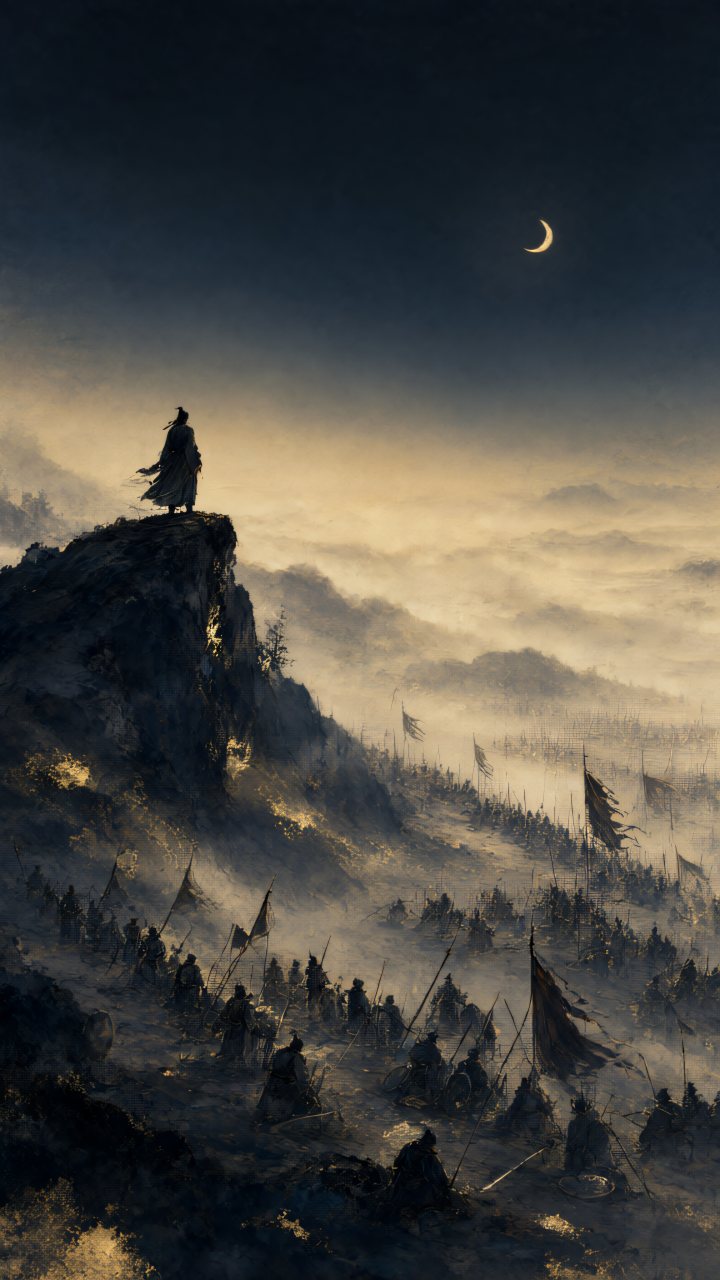

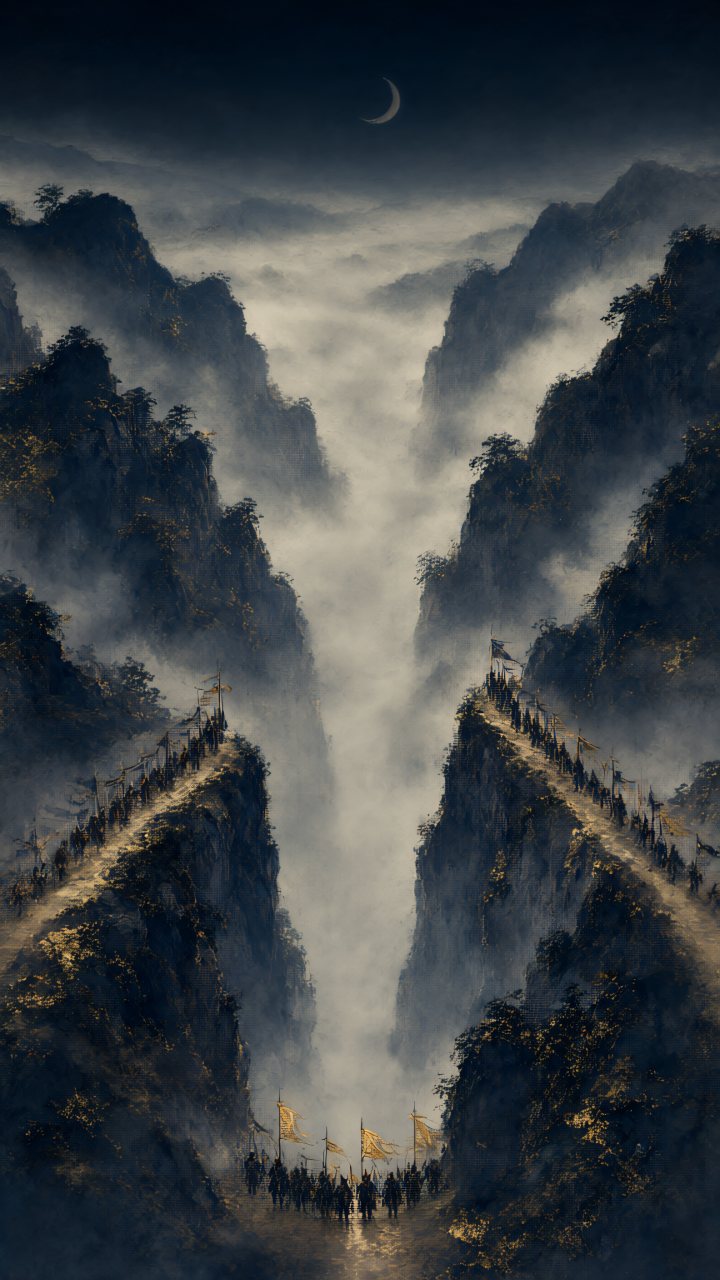
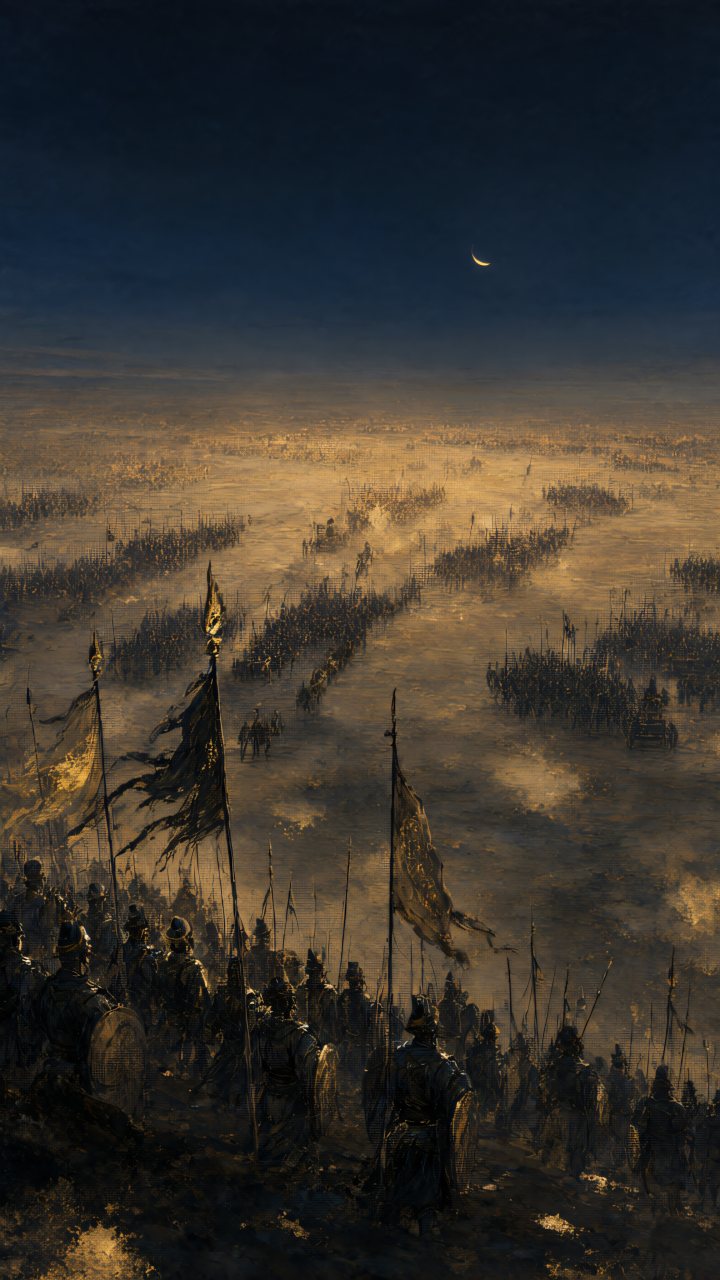
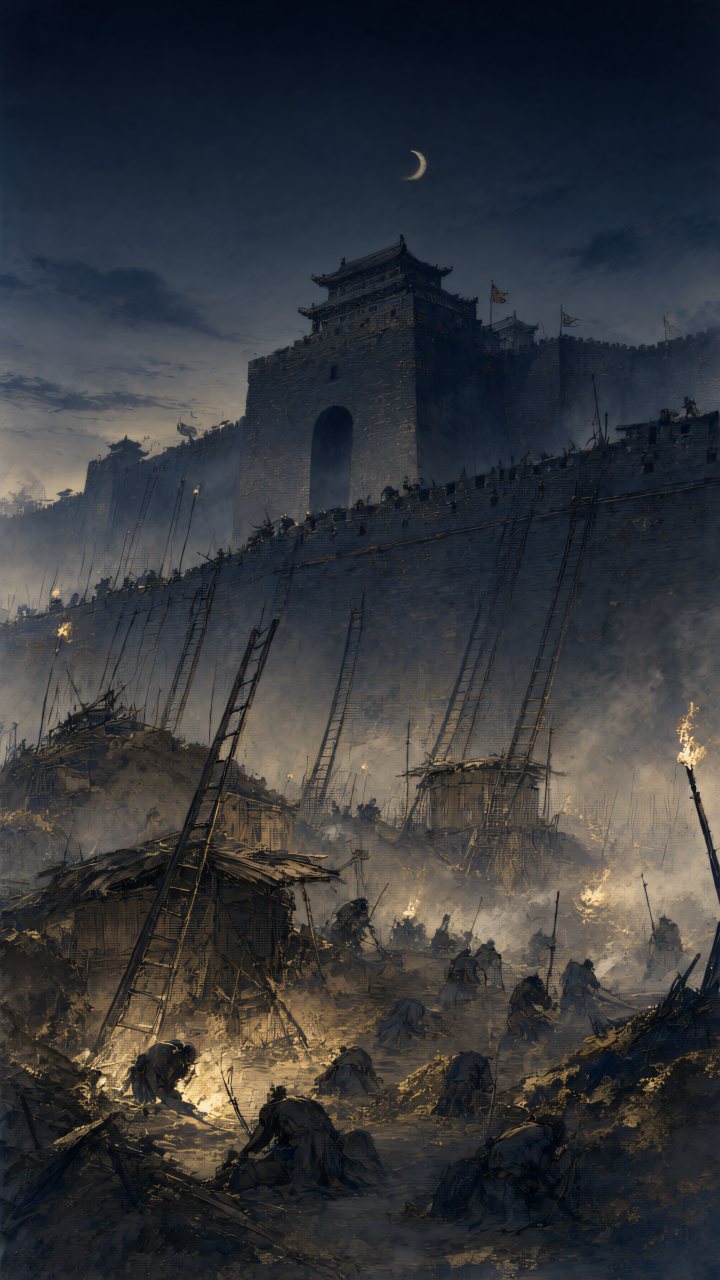
The Short uses five illustrations, one for each step of Sun Tzu's ranking, painted locally with an AI image model in the same ink-wash night palette as the audiobook.
The whole book, chapter by chapter
- Chapter 1: Laying Plans (1:07)
- Chapter 2: Waging War (6:14)
- Chapter 3: Attack by Stratagem (10:56)
- Chapter 4: Tactical Dispositions (16:12)
- Chapter 5: Energy (20:13)
- Chapter 6: Weak Points and Strong (25:31)
- Chapter 7: Maneuvering (33:24)
- Chapter 8: Variation of Tactics (40:37)
- Chapter 9: The Army on the March (44:02)
- Chapter 10: Terrain (53:29)
- Chapter 11: The Nine Situations (1:01:00)
- Chapter 12: The Attack by Fire (1:15:52)
- Chapter 13: The Use of Spies (1:20:01)
Full audiobook: Sun Tzu, The Art of War, complete.
Watch and listen
Short: youtube.com/shorts/qkS4IzCITZA. Full book: The Art of War, full audiobook.
Subscribe to @MidnightLibrary725. The narration is a synthetic voice and the illustrations are AI-generated. Found a mistake? Write to [email protected].